



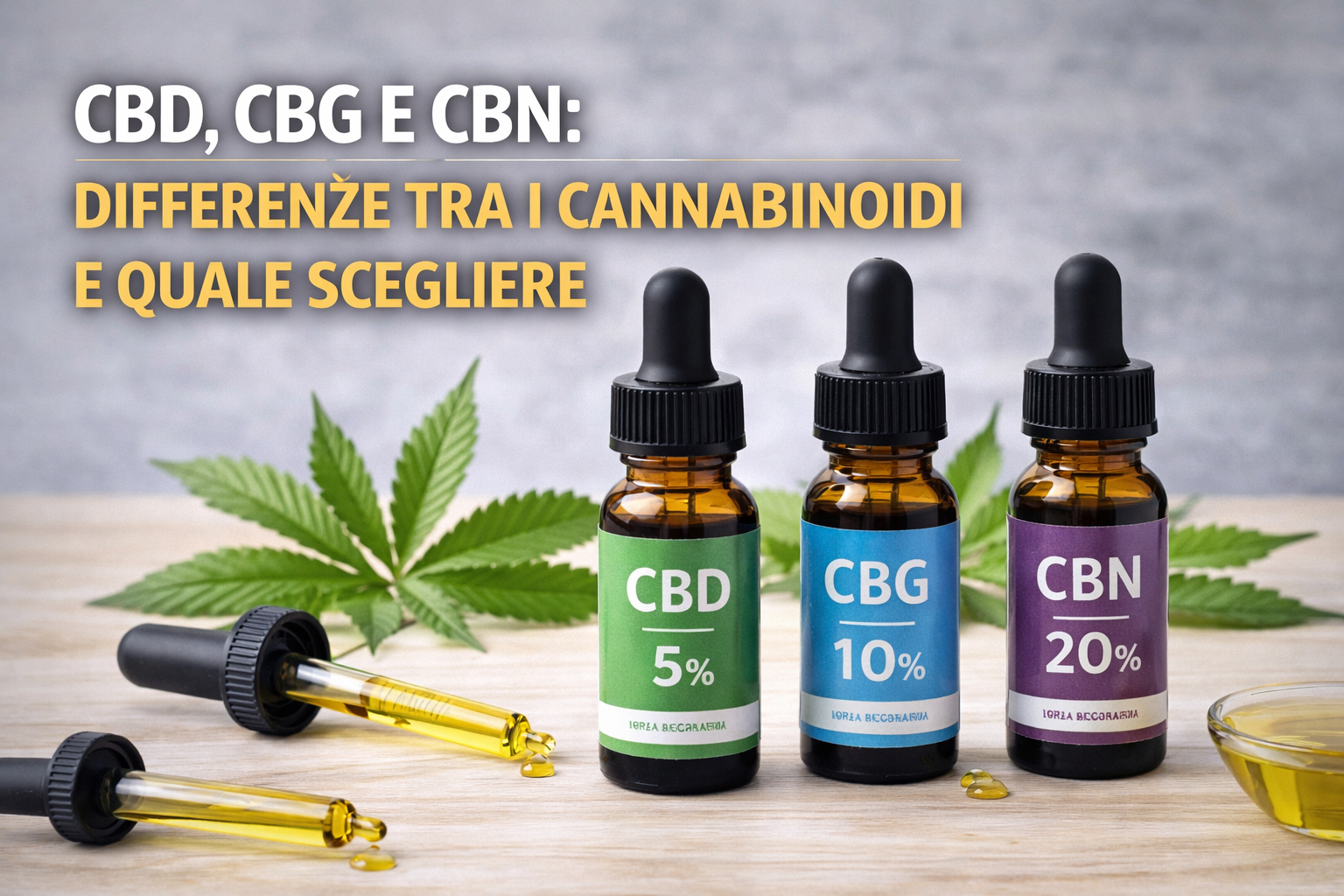
CBD, CBG and CBN: differences between cannabinoids
CBD, CBG and CBN are three cannabinoids discussed in the hemp sector. They belong to the same broad family but are distinct compounds, with different roles in plant composition and different prominence in commercial formulas.
What are cannabinoids?
Cannabinoids are compounds associated with cannabis. They are studied within a wider research context that includes the body’s endocannabinoid system. Read the introductory guide to that system.
CBD: cannabidiol
CBD is particularly familiar in cannabis light products, including oils, flowers and resins. It is often the first cannabinoid people encounter when learning about low-THC hemp. Read the introduction to cannabidiol.
CBG: cannabigerol
CBG is a separate cannabinoid. It is often informally called a “mother cannabinoid” in discussions of the plant’s cannabinoid-development processes. It appears in some formulas that specifically highlight CBG. Read what cannabigerol is.
CBN: cannabinol
CBN is discussed in connection with chemical changes in cannabis compounds over time. Some mixed formulas include it and are marketed around evening routines. Read what cannabinol is.
The main differences
Comparisons concern the compounds’ identities, how they occur in the plant and their presence in product formulas. A formula may contain several cannabinoids. Its name does not replace a full ingredient list or the stated quantities.
Comparing products
Start with the actual composition and intended use. Then compare concentration, bottle or pack size, other ingredients and the manufacturer’s instructions. A CBG oil, a CBD flower and a mixed CBN formula are different products, rather than interchangeable strengths of the same item.
Browse oils and tinctures, CBD flowers and CBD hash and resins. The guides to CBD oil and terpenes explain other comparison terms.
Frequently asked questions
Are CBD, CBG and CBN the same compound?
No. They are distinct cannabinoids.
Which is most familiar in cannabis light products?
CBD is especially widely recognised in this sector.
Can a product contain more than one cannabinoid?
Yes. Check the formula and stated composition of the specific item.
Does a cannabinoid name tell me the intended use?
No. Intended use and instructions are product-specific.
Related posts
-
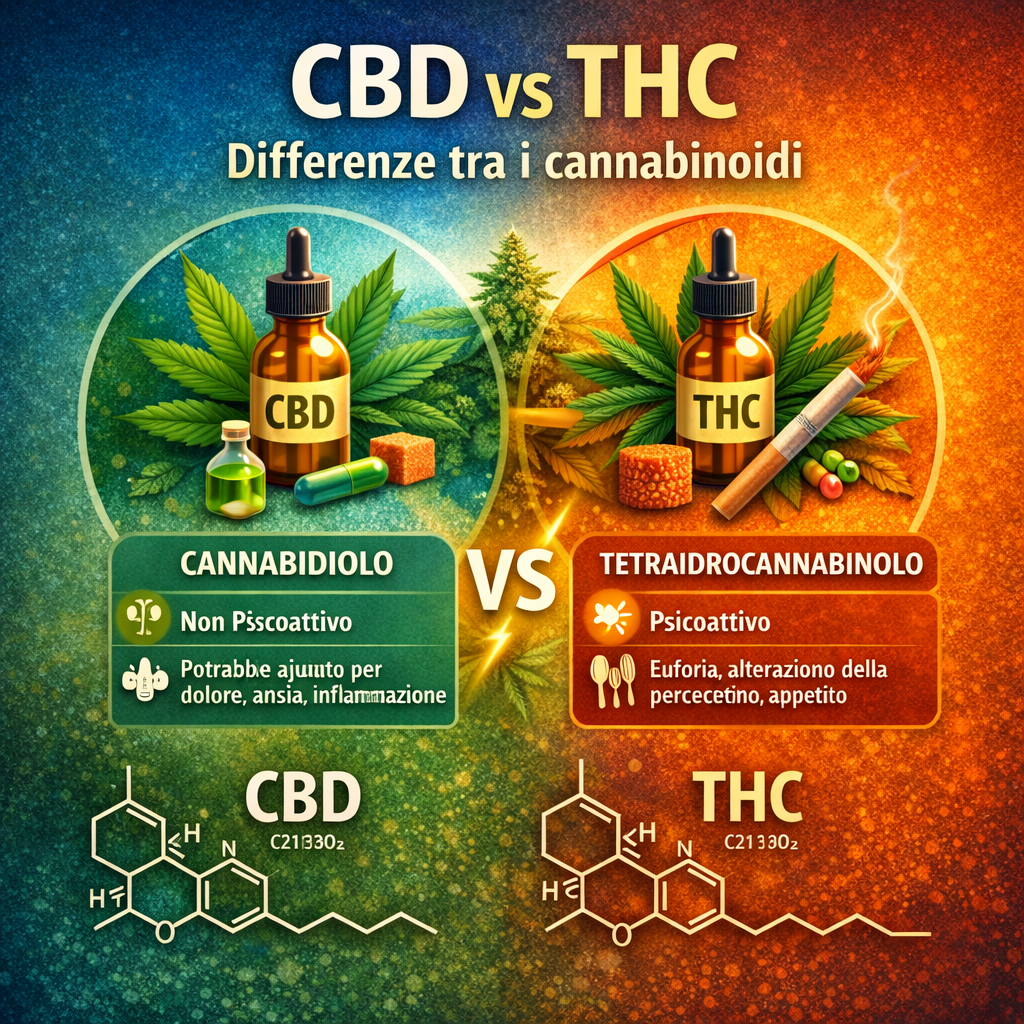 CBD vs THC: differences between cannabinoids
Understand CBD and THC, two distinct cannabis cannabinoids, and their relationship to cannabis light, plant...Read more
-
 CBD and sleep: understanding the evening-routine discussion
Learn why CBD appears in discussions about evening routines, how it relates to cannabis light, and how hemp-derived...Read more
-
 CBD oil: what it is and how it is used
An introduction to CBD oil: extracts, carrier oils, dropper bottles and concentrations. Compare the CBD oils and...Read more
-
 CBD and anxiety searches: understanding cannabidiol
An introduction to cannabidiol, cannabis light and the terminology behind searches about CBD and relaxation, with...Read more
-
 CBG: what cannabigerol is
Learn what CBG means, how cannabigerol fits into the cannabis cannabinoid family, and how it differs from CBD and CBN.Read more
Leave a comment