



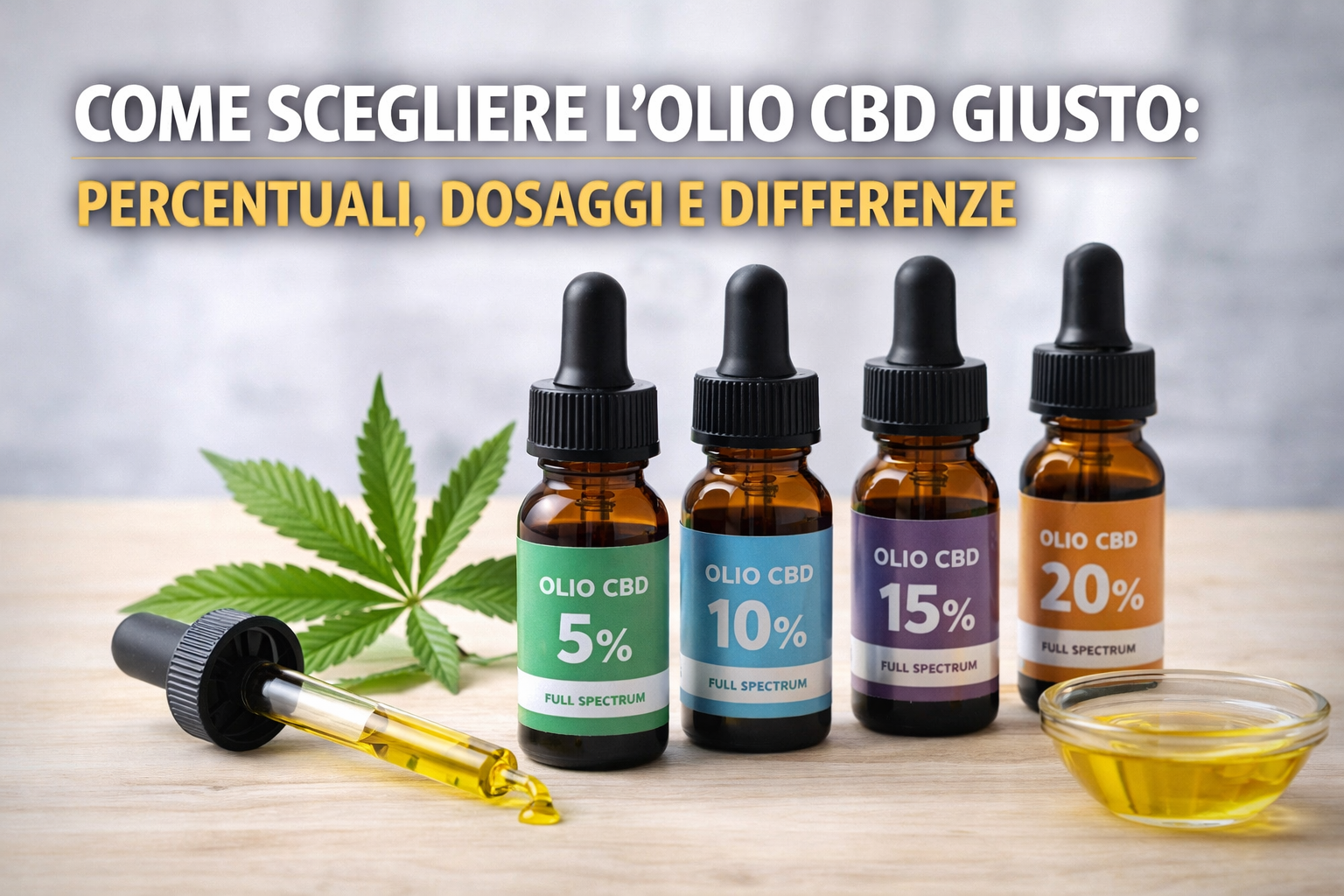
Choosing CBD oil: percentages, composition and bottle sizes
Comparing CBD oils can be confusing when labels use different percentages, extract descriptions and bottle sizes. Understanding these details helps you compare the products on a consistent basis.
What is CBD oil?
CBD oil generally combines a cannabinoid extract with a carrier oil. Its main named cannabinoid is cannabidiol, but the full composition depends on the formula. Read the introduction to CBD oil for the basics.
What do CBD percentages mean?
The percentage describes the stated CBD concentration. Common listings include 5%, 10%, 15%, 20% and higher concentrations. A higher percentage indicates a more concentrated product; it does not automatically mean that one formula is better than another.
Compare the bottle size and stated total milligrams as well. In the four 10 ml oils reviewed here, the catalogue lists 500 mg at 5%, 1,000 mg at 10%, 2,000 mg at 20% and 3,000 mg at 30%. These are bottle contents, not quantities to use.
Full spectrum, broad spectrum and CBD isolate
Extract descriptions provide another way to compare composition:
- Full spectrum: describes an extract containing several hemp compounds, including other cannabinoids and terpenes.
- Broad spectrum: describes a multi-compound extract commonly presented as excluding THC; check the individual product information rather than assuming a particular measured content.
- CBD isolate: identifies CBD separated from other plant compounds.
The extract designation does not replace the ingredient list or the specific composition stated for a product.
How to compare strengths
Lower, intermediate and higher percentages identify different concentrations. Compare those figures together with the carrier oil, other ingredients, extract information and intended use. Two oils with the same percentage can still have different formulas.
CBD oil quantities and instructions
There is no universal quantity that applies to every person and every product. A concentration is not a dosage instruction. Refer to the directions and intended use on the individual pack; the comparison figures in this guide describe product contents.
Product formats and intended use
CBD oils are often supplied in dropper bottles. Oils, gummies, mixed-cannabinoid formulas and products for animals are different formats, with their own specifications and instructions. Do not infer the intended use from the bottle format alone.
Information to check when comparing quality
- Source and description of the raw material
- Declared cannabinoids and ingredients
- Extract and carrier-oil information
- Any product-specific analytical documentation provided
- Bottle size, selected product and availability
Use the information supplied for that exact product; a general category description does not establish the details of every item in it.
Explore the catalogue
Compare all CBD oils and tinctures. The category includes different strengths and formulas, including products with other cannabinoids and products intended for animals.
Frequently asked questions about choosing CBD oil
Does a higher percentage mean a better oil?
No. It identifies a higher stated concentration. Composition, bottle size and product information still need to be compared.
Are milligrams per bottle a dosage?
No. They describe total stated content in the bottle.
Are full spectrum and broad spectrum the same?
No. They are different extract designations. Check the stated composition and ingredients of each product.
Compare CBD oil strengths
All CBD oils and tinctures. Compare individual products:
Related posts
-
 CBD and sleep: understanding the evening-routine discussion
Learn why CBD appears in discussions about evening routines, how it relates to cannabis light, and how hemp-derived...Read more
-
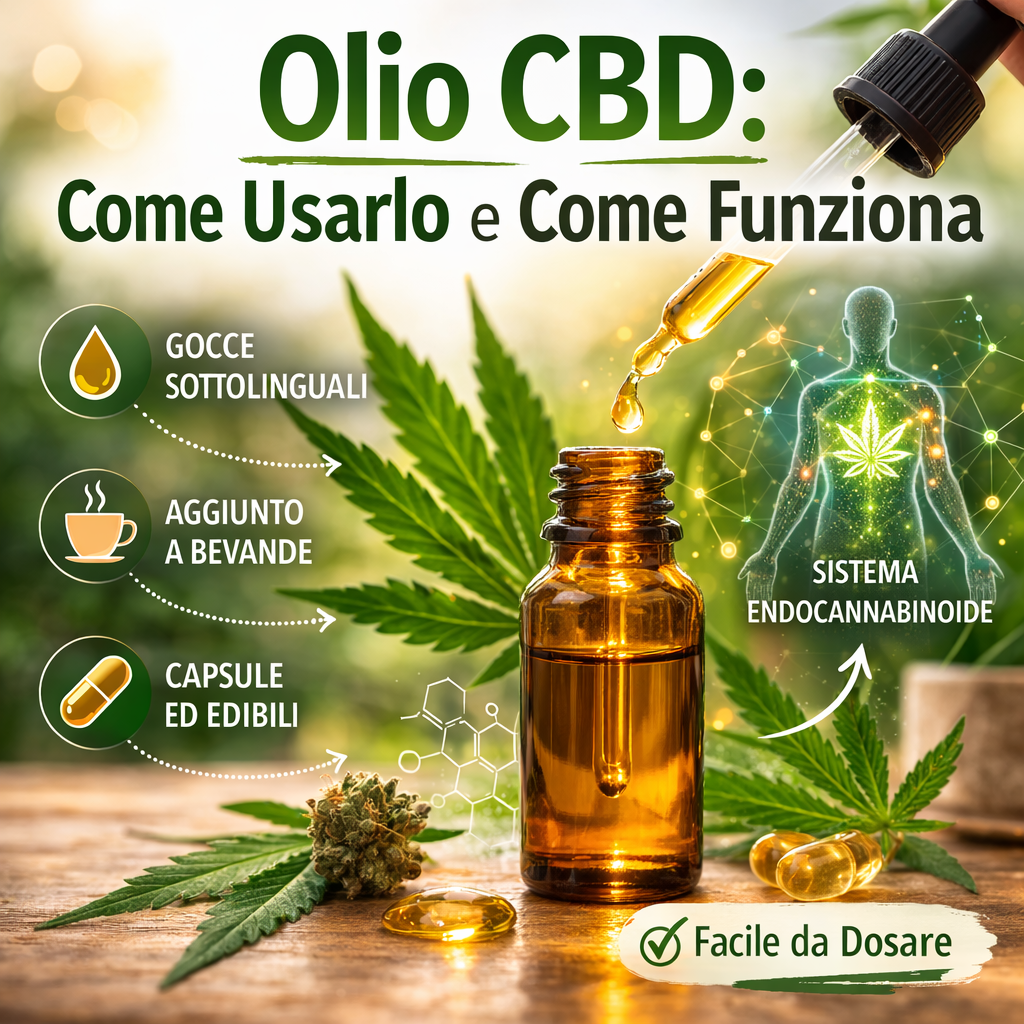 CBD oil: what it is and how it is used
An introduction to CBD oil: extracts, carrier oils, dropper bottles and concentrations. Compare the CBD oils and...Read more
-
 CBD and anxiety searches: understanding cannabidiol
An introduction to cannabidiol, cannabis light and the terminology behind searches about CBD and relaxation, with...Read more
-
 CBD effects: understanding cannabidiol and product information
Learn the basics of cannabidiol, its relationship to other cannabinoids and how to distinguish CBD flower, resin and...Read more
-
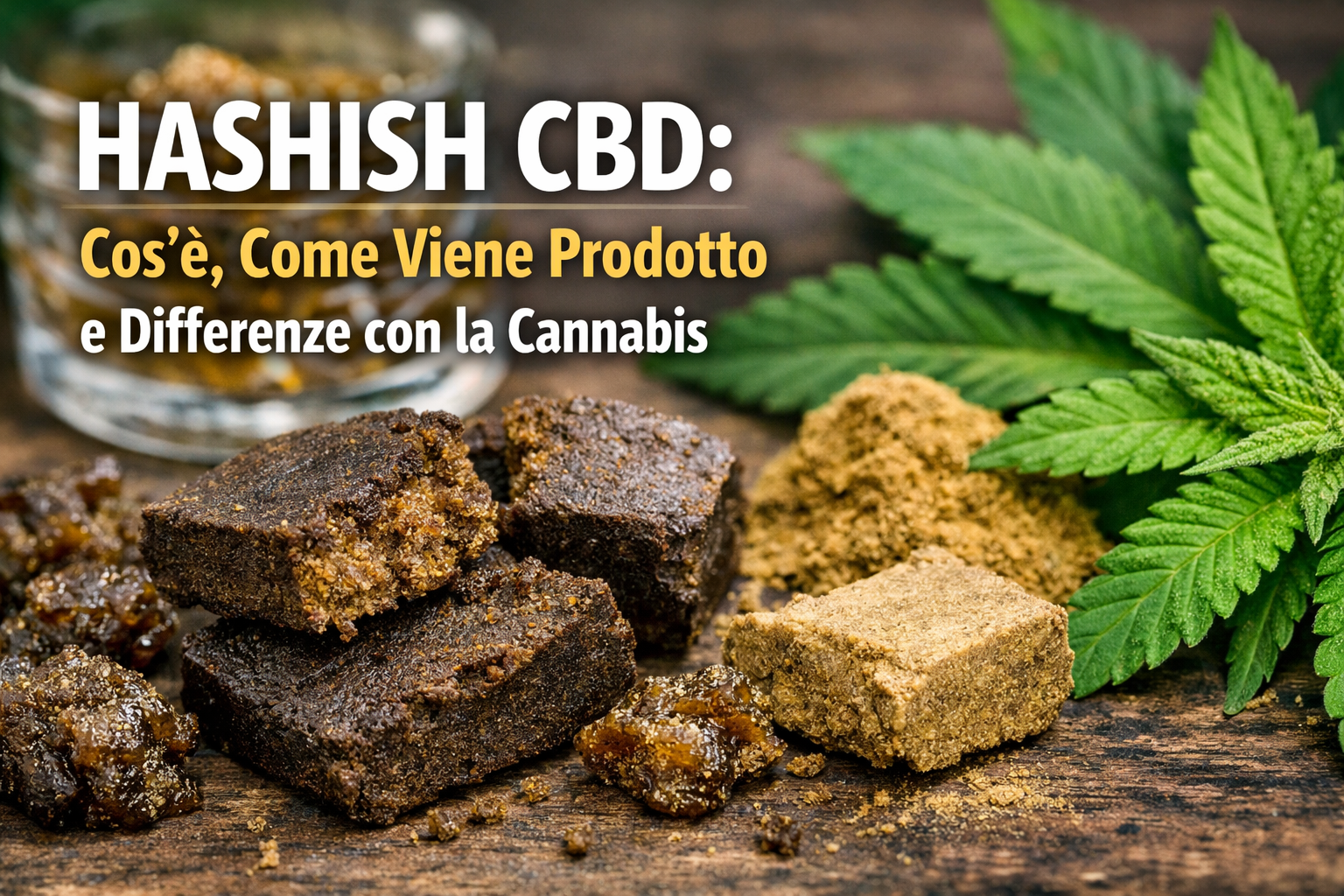 CBD hash: what it is, production and differences from flowers
Learn how CBD hash is made from hemp resin, how textures and aromas differ, and how to compare it with CBD flowers.Read more
Leave a comment